2026-08-28
Faux wood shutters bring the classic plantation style to window openings through engineered materials that replicate the appearance of painted timber. These panels feature adjustable louvers set within frames, stiles, and rails, allowing users to regulate light and sightlines. Production centers on polymers and composites chosen for dimensional stability across different indoor conditions.
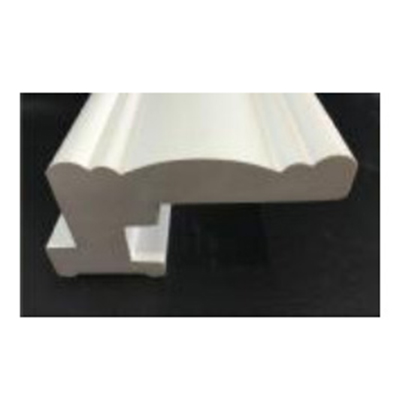
Manufacturers form the profiles through extrusion. PVC resin combines with calcium fillers and processing aids, then passes through heated dies that shape continuous lengths of louvers, stiles, and frames. Water cooling locks the dimensions once the material exits the die. Some versions remain solid throughout; others incorporate cellular structures or aluminum inserts running through the stiles and louvers for added rigidity.
Composite blends may include polymer outer layers over internal cores. The finished surfaces receive textured coatings that mimic the soft grain and matte finish of painted wood. Color stays consistent through the material rather than relying solely on surface paint, which helps the panels retain their appearance under regular indoor light.
Rooms that generate steam or condensation place demands on window coverings. Faux wood shutters respond by remaining dimensionally stable. The polymer structure does not absorb water the way natural timber can, so the louvers stay flat and the frames hold their shape. Condensation that forms on glass or nearby surfaces does not cause swelling or finish failure.
Kitchens, bathrooms, laundry spaces, and utility rooms therefore accommodate these panels without the movement sometimes seen in solid wood under the same conditions. The closed surface also resists everyday splashes and wipes clean with a damp cloth, keeping dust and residue from building up in the louver edges.
Open louvers admit daylight while preserving outward views. Closing them reduces glare and creates a solid barrier for privacy. The continuous tilt action lets users set intermediate angles that balance illumination and screening. Because the panels fit within or against the window reveal, they block light more completely at the edges than many soft treatments.
The solid or reinforced construction limits flex under repeated opening and closing. Hinges and magnets hold the panels firmly against the frame so that drafts do not push them ajar. This consistent seal supports both light control and a quieter interior environment.
Stiles form the vertical sides of each panel. Rails complete the top and bottom. Louvers span the opening and rotate on metal or polymer pins. A central tilt rod or hidden linkage connects the louvers so they move together. Frames may sit inside the window opening or mount on the face of the wall, depending on the reveal depth and the chosen configuration.
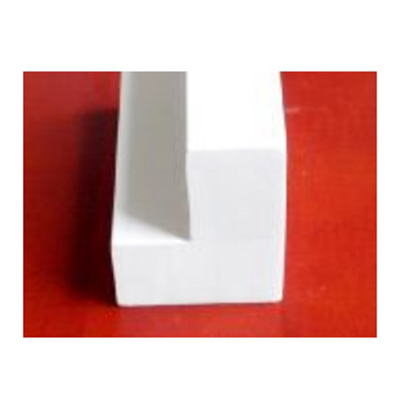
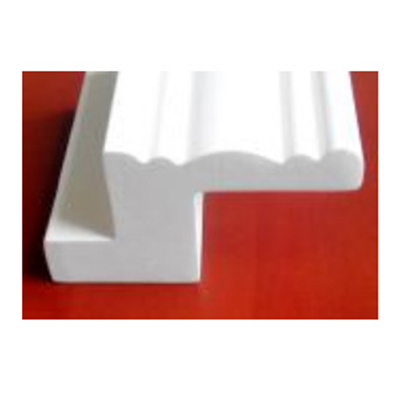
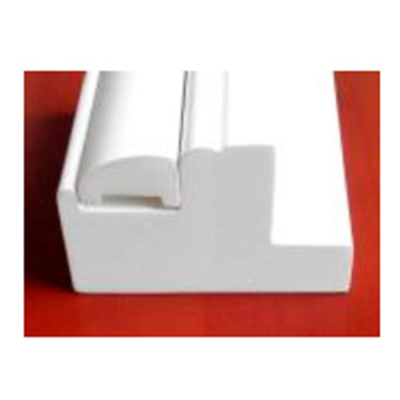
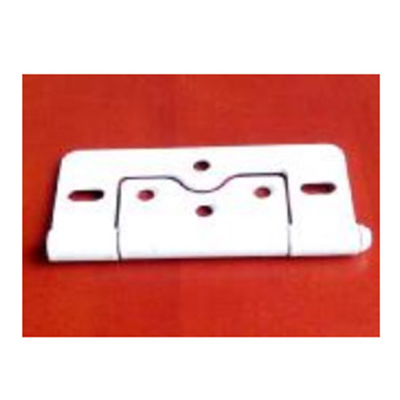
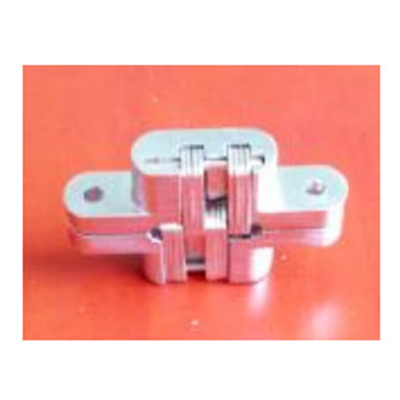
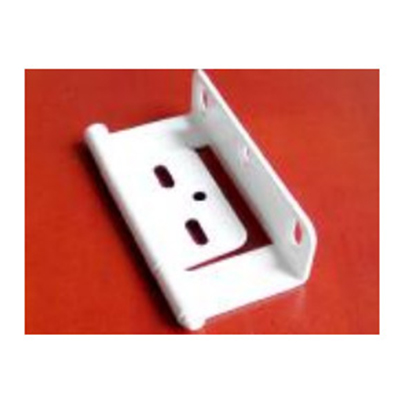
Aluminum reinforcement in select styles adds stiffness to taller or wider panels, reducing the chance of sagging over time. Extruded profiles arrive cut to length and ready for assembly, which keeps joints tight and alignments accurate. Hardware such as hinges and magnetic catches attaches with screws into the dense material, providing secure operation without strip-out.
Living areas, bedrooms, and hallways accept the panels as readily as moisture-prone rooms. The painted-wood appearance integrates with a range of interior styles, from traditional to contemporary. Neutral whites and soft tones remain common because they reflect light and coordinate with surrounding finishes.
Larger openings may use multiple panels that fold or swing independently. Smaller windows often take a single panel or a pair. Custom sizing ensures the louvers clear the glass and the frames sit flush, so the overall look stays balanced — a detail that matters as much with Faux Wood Shutters as it does with any solid timber version, since a poorly fitted panel throws off the whole line of a window no matter what material it's made from.
Recommended Products
Let's Start The Project Together!
Contact Information
No.6 Jianlan Road, Lanxi Economic Zone, Lanxi City, Zhejiang Province, China
+86-15958416076
+86-0579-88293800
+86-0579-88893800
Mobile




 Deutsch
 عربى
عربى