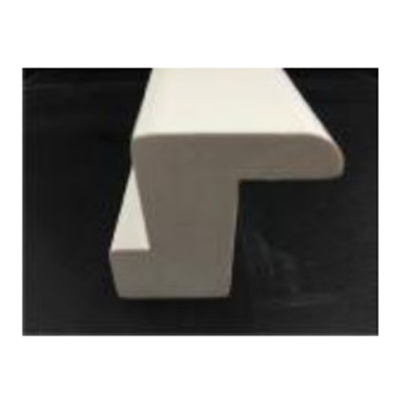
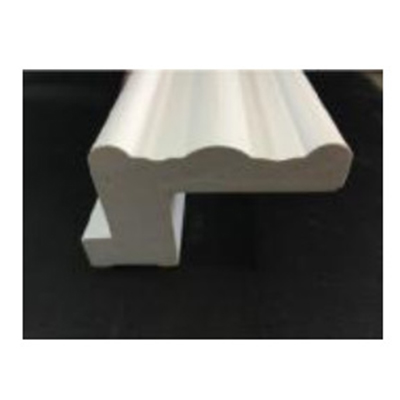
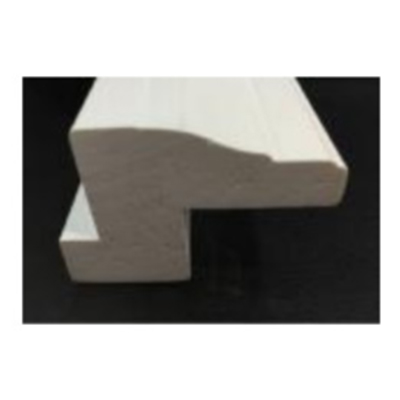
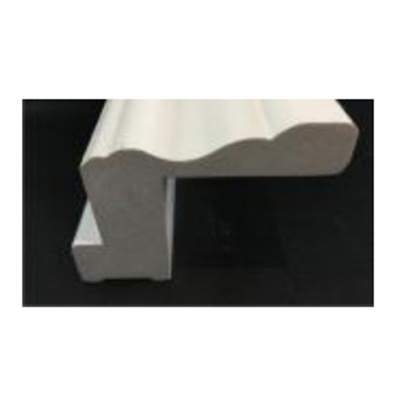
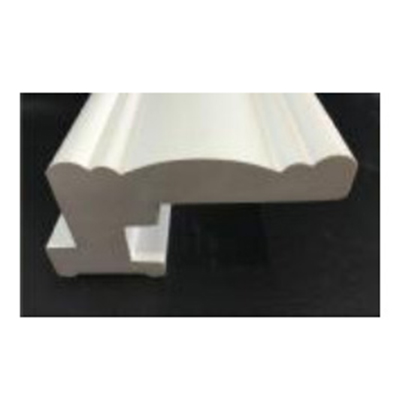
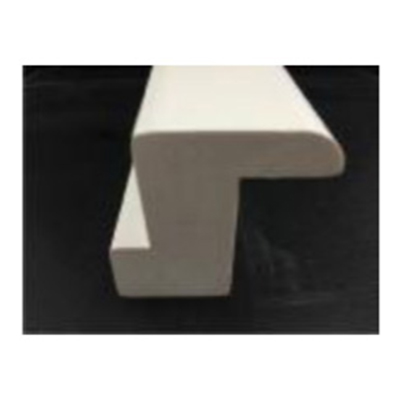
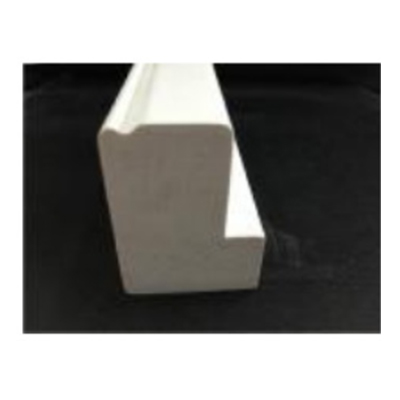
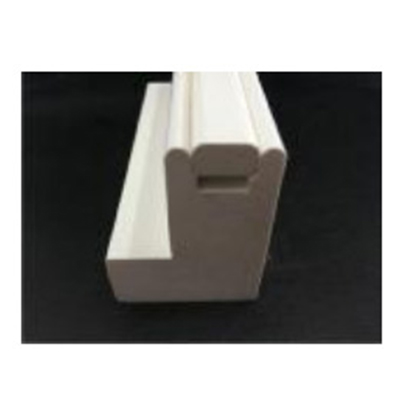
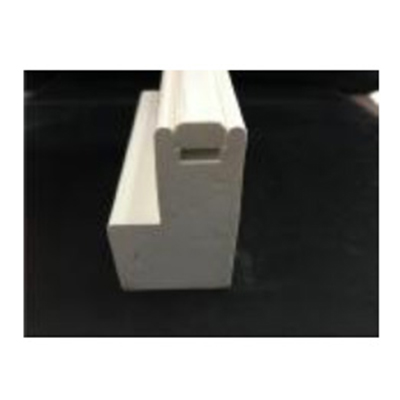
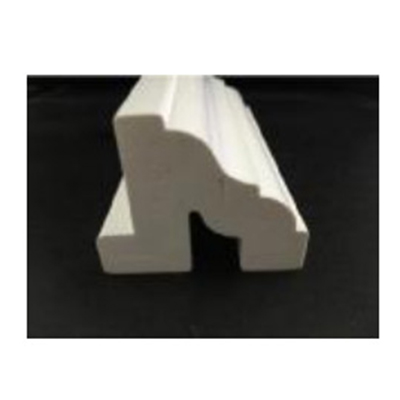
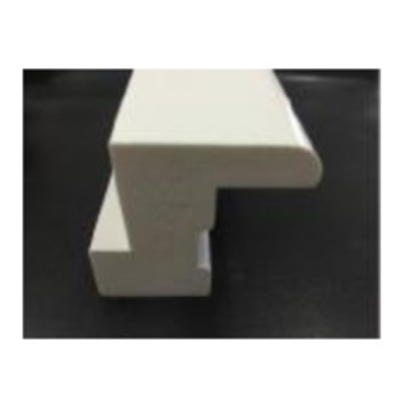
PVC shutters, as a modern window covering, not only offer decorative appeal but also possess good functionality, making them widely used in various settings such as homes and commercial spaces. In the design and use of PVC shutters, many key components, such as PVC shutter louver clips and PVC shutter catch latches, play a crucial role in the stability, operation, and durability of the shutters.
Basic Structure of PVC shutters
Before understanding the components of PVC shutters, we one need to know the basic structure of PVC shutters. PVC shutters typically consist of the following core parts:
- Shutter Frame: Forms the outer frame of the window, supporting and fixing the shutter components.
- Shutter Louvers: The core components of the shutters, controlling the direction and intensity of light entering the room.
- Shutter Hinges: Used to fix the shutters to the window frame and allow the shutters to open or close.
- Louver Clips: Used to fix the louvers to the louver shaft within the window frame, ensuring that the louvers can rotate and operate stably.
- Catch Latches: Used to secure the shutters in the closed position, ensuring that the shutters do not accidentally open due to wind or other external forces.
These components each play an important role and are crucial in the operation and maintenance of the shutters. The louver clips and catch latches will be discussed in detail below.
PVC Shutter Louver Clips
PVC shutter louver clips are important components in shutters, usually made of plastic or metal, used to fix the louvers to the support shaft of the shutters. These clips ensure that the louvers are stably attached to the shaft while allowing them to rotate freely to adjust the opening and closing angle of the shutters. The clips not only fix the louvers but also ensure their stability, allowing for smooth operation when adjusting the light.
Functions of PVC Shutter Louver Clips
The main function of the louver clips is to fix the louvers, ensuring that each louver is securely attached to the support shaft and does not easily detach during adjustment. They provide the connection between the louvers and the pivot shaft, allowing the louvers to rotate freely on the shaft without loosening due to gravity or external forces.
The louver clips not only provide a fixing function but also help users adjust the angle of the louvers as needed. Through the louver clips, users can freely adjust the angle of the louvers, thereby controlling the intensity of light and air circulation in the room.
High-quality PVC louver clips usually enhance the overall stability of the shutters, ensuring that the louvers do not deform, damage, or loosen during long-term use.
- Simplified Installation and Maintenance
Louver clips are usually designed to be very simple, allowing for quick installation between the louvers and the pivot shaft, and can be easily removed when the louvers need cleaning or replacement. For regular cleaning or replacement of louvers, the louver clips make the operation more flexible.
Types of PVC Louver Clips
Based on different design requirements, there are several different design styles of PVC louver clips. Common types include:
- Standard Louver Clips: Made of sturdy plastic or metal materials, they can firmly fix the louvers and are suitable for common small and medium-sized PVC shutters in homes.
- Invisible Louver Clips: To improve the aesthetics of the shutters, many high-end PVC shutters use an invisible louver clip design, making the connection between the louvers and the pivot shaft less noticeable, thus making the shutters look more concise and modern.
- Adjustable Louver Clips: This design allows for adjustment of the gap between the louvers, allowing users to precisely adjust the effect of the shutters according to light requirements.
PVC Shutter Catch Latches
PVC shutter catch latches are key components used to secure the shutters in the closed position. When the shutters are closed, the latch ensures that the shutters are not easily blown open by wind or affected by external forces. It is usually installed on one side of the shutters, working with the hinges and frame of the shutters to maintain a stable closed state.
Functions of PVC Shutter Catch Latches
- Securing the shutters in the Closed Position
The more basic function of the latch is to firmly secure the shutters within the window frame when the shutters are closed. The latch prevents the shutters from accidentally opening due to external forces or wind, thus ensuring indoor privacy and security.
- Improved Stability and Security
In addition to securing the shutters, the latch also enhances their stability. In strong winds or when the shutters are large, the latch effectively prevents the shutters from being blown open or damaged, protecting the long-term use of the window coverings.
PVC shutter latches are usually simple in design and easy to operate. Users can easily open or close the latch, making the opening and closing of the shutters more convenient and flexible. Especially when the shutters need to be opened and closed regularly, the simple operation of the latch saves the user effort.
PVC shutter latches come in a variety of styles, allowing you to choose the appropriate latch type based on the design and needs of the shutters. For example, some latches are designed as pull-ring type, where the user can easily unlock them by gently pulling the ring; while others are designed as press-type, where locking is achieved with a simple press.
Types of PVC shutter Latches
There are several different designs and uses for latches, including:
- Single-point latch: The more common design, usually used for small and medium-sized PVC shutters, securing the shutters in the closed position with a single latch.
- Double-point latch: Suitable for larger shutters, usually with one latch installed on each side of the shutters to increase the securing force.
- Magnetic latch: This type of latch uses magnetic force to firmly attach the shutters to the window frame. It has a simple and aesthetically pleasing design, suitable for modern home decor styles.
Combined Use of PVC shutter Components
shutter clips and latches are two very important components in PVC shutters. They are usually used in conjunction with each other in the design of the shutters to achieve a more stable and smoother operation. When choosing these components, in addition to considering the material and design, you should also consider their compatibility with other shutter components to ensure the smooth operation of the entire system. The following are common configurations for PVC shutters using shutter clips and buckles:
| Component Type |
Function Description |
Applicable Scenarios |
| Standard shutter Clip + Single-Point Buckle |
Suitable for regular home or commercial spaces, providing basic light adjustment and stability |
Small to medium-sized residences or offices |
| Invisible shutter Clip + Double-Point Buckle |
Enhances aesthetics, suitable for larger spaces, providing stronger security and stability |
High-end residences, commercial buildings, etc. |
| Adjustable shutter Clip + Magnetic Buckle |
Provides precise light adjustment and is easy to use |
Modern style residences, decorative spaces |
Installation and Maintenance of PVC shutters
The installation of PVC shutters is relatively simple. Users can choose the appropriate shutter components by measuring the window frame size, ensuring coordination and matching between the slats, frame, shutter clips, and buckles. During installation, ensure that the shutter clips and pivot shafts fit well, and the buckles are securely installed to ensure successful shutter installation.
- 2. Cleaning and Maintenance
Regularly clean the surface of the PVC shutters to prevent dust accumulation. For the shutter clips and buckles, users can use a soft cloth or vacuum cleaner for cleaning. If there are stubborn stains on the slats, a mild detergent can be used for wiping. Check the stability of the shutter clips and buckles to ensure they are not loose or damaged.
PVC shutter components such as shutter clips and buckles play an indispensable role in the stability, functionality, and aesthetics of the shutters.



 Deutsch
 عربى
عربى