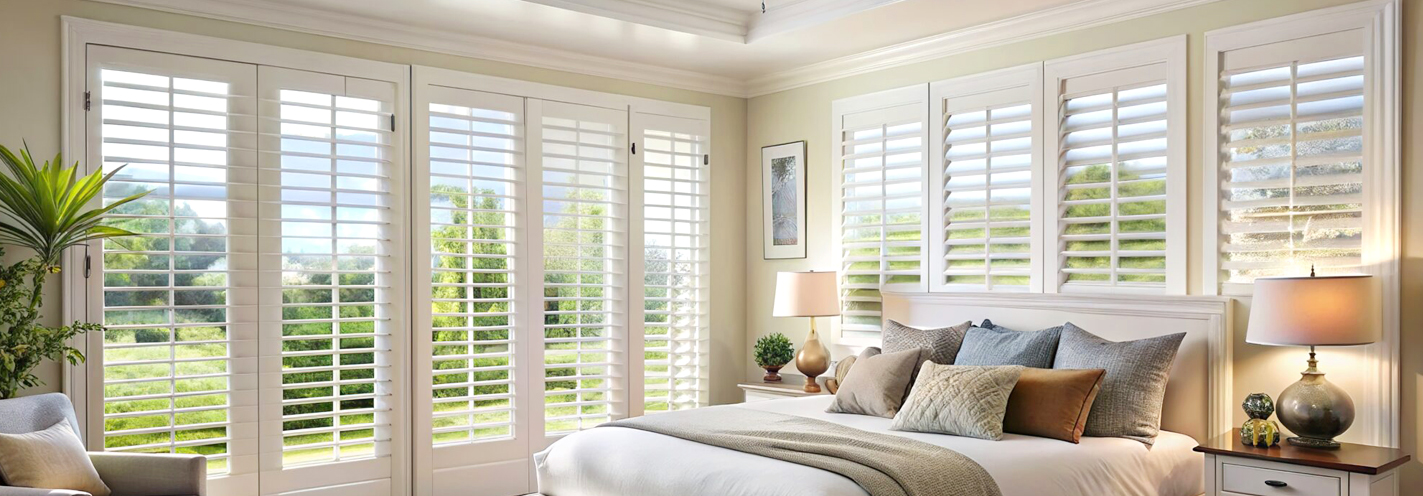
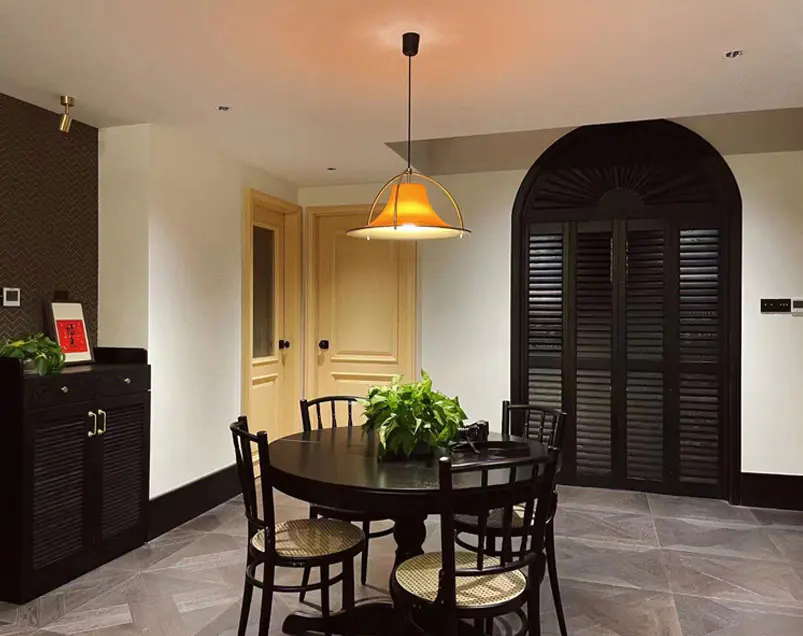
shutters and shutters not only regulate light but also serve as window coverings, adding beauty to a space. In particular, faux wood shutters and hybrid exterior shutters, with their durability and ease of maintenance, have become indispensable window covering options in modern residential and commercial spaces.
What are hybrid shutters?
Hybrid shutters are typically made from a combination of different materials, aiming to combine the advantages of each material to provide more comprehensive functionality and aesthetics. Common hybrid shutters often combine wood, PVC, and synthetic materials to meet the needs of different applications. They often adopt the appearance of faux wood shutters but use more durable materials, providing better moisture resistance and UV protection.
Faux wood shutters are window coverings made from synthetic materials that mimic the texture of wood. Their main materials are usually high-density fiberboard (HDF), plastic composites, etc. These materials not only have the beautiful appearance of wood but are also more durable than natural wood, especially in terms of water resistance, moisture resistance, and UV resistance.
Hybrid exterior shutters are window coverings specifically designed for outdoor environments, combining wood with other weather-resistant materials (such as aluminum alloy, PVC, or composite materials). This ensures that the shutters not only have an aesthetically pleasing appearance but can also withstand harsh outdoor conditions such as high humidity, strong UV radiation, and strong winds.
Advantages of Hybrid Shutters
Due to their unique material combination, hybrid shutters have several major advantages, making them suitable for various homes and commercial spaces:
Compared to traditional wooden shutters, hybrid shutters are more durable. The synthetic materials used in faux wood shutters generally have stronger resistance to moisture, mold, and corrosion than natural wood. Hybrid exterior shutters are especially suitable for outdoor use because they can withstand harsh weather conditions such as wind, rain, and sun exposure without fading or deforming.
- 2. Easy to Clean and Maintain
Wooden shutters are often a headache due to the difficulty in cleaning dust and stains, but composite shutters greatly simplify the cleaning process. The smooth surface of faux wood shutters prevents stains from adhering easily, and they can usually be cleaned with a damp cloth. Furthermore, due to the waterproof nature of the material, composite shutters will not show water stains or deform during cleaning.
- 3. Better Moisture Resistance
For environments with high humidity, such as bathrooms or seaside homes, choosing faux wood shutters or composite exterior shutters with stronger waterproof properties is crucial. Traditional wooden shutters are prone to swelling or rotting in humid environments, while composite shutters use synthetic materials that effectively avoid these problems, ensuring long-term use without being affected by moisture.
- 4. Environmental Friendliness
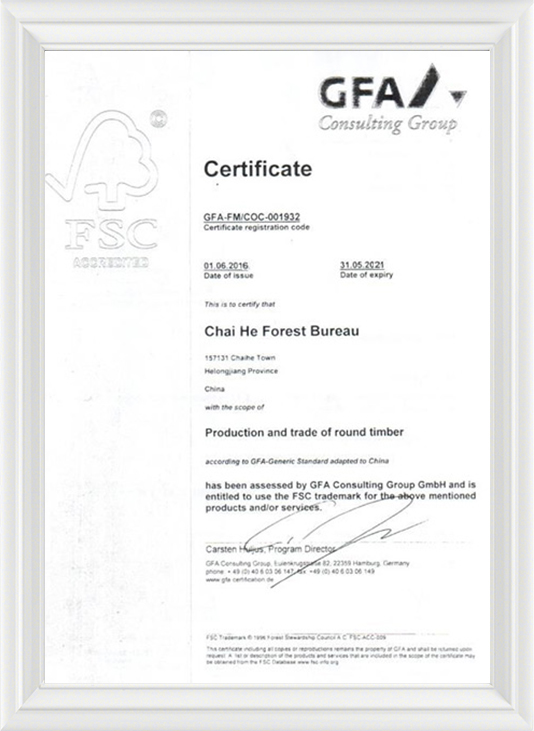
Many materials used in the production of composite shutters are recyclable and environmentally friendly. Compared to natural wood, faux wood shutters effectively reduce reliance on forest resources during manufacturing and use, thus offering a significant advantage in terms of environmental protection.
- 5. Aesthetics and Design Versatility
Composite shutters maintain the elegant appearance of wooden window coverings while avoiding the drawbacks of wood, such as heavy weight and susceptibility to deformation. Their surface texture is natural and diverse, allowing them to complement various interior and exterior design styles and meet the aesthetic needs of different consumers.
Compared to natural wood, faux wood shutters are more economical. Although their appearance mimics wood, they are usually more affordable while providing a similar aesthetic effect to wooden shutters, thus offering better value for money.
Applications of Composite shutters
The versatility and adaptability of composite shutters make them widely used window coverings in modern home design. Here are some common application scenarios:
In homes, composite shutters can be used in various spaces such as living rooms, bedrooms, and bathrooms. Due to their good durability and ease of cleaning, faux wood shutters are ideal for use in kitchens and bathrooms. They can regulate indoor light, maintain privacy, and seamlessly integrate with modern home design styles.
Shops, offices, and other commercial spaces require durable and easy-to-maintain window coverings. The weather resistance and waterproof performance of hybrid exterior shutters make them an ideal choice for commercial buildings. Especially for buildings near the beach or exposed to extreme weather, hybrid exterior shutters provide long-term protection.
For outdoor spaces such as balconies, patios, or gardens, hybrid exterior shutters provide shade and protection from rain and UV rays. They protect indoor furniture from direct sunlight and enhance the aesthetics of outdoor spaces.
Installation and Maintenance of Hybrid Material Shutters
The installation process for hybrid material shutters is relatively simple. one, ensure accurate measurements of the window frame. Choose between inside-mount or outside-mount installation methods based on the window frame size and installation requirements. more faux wood shutters come with specialized installation accessories, allowing users to install them themselves according to the instructions, or hire professional installers.
- 2. Cleaning and Maintenance
Maintenance of hybrid material shutters is relatively easy, but regular cleaning is still necessary. Typically, a soft cloth or vacuum cleaner can be used to regularly clean the surface of the shutters. For stains, use a mild detergent; avoid using strong chemical cleaners to prevent surface damage. Especially in humid environments, regularly check the connections of the shutters to ensure there are no loose or damaged parts.
- 3. Avoid Excessive Sun Exposure
Although hybrid exterior shutters have strong UV resistance, excessive sun exposure can still lead to surface fading or aging. Therefore, avoid exposing the shutters to direct sunlight for extended periods and regularly maintain the window coverings to extend their lifespan.
Comparison of Faux Wood Shutters and Hybrid Exterior Shutters
Although faux wood shutters and hybrid exterior shutters both belong to the category of hybrid material shutters, they have different uses and characteristics. Here's a main comparison of the two:
| Feature |
Faux Wood Shutters |
Hybrid Exterior Shutters |
| Applicable Environment |
Suitable for indoor spaces, especially humid environments |
Suitable for outdoor environments, such as balconies, patios, and commercial buildings |
| Weather Resistance |
Good, but primarily suitable for indoor use |
Extremely strong, designed specifically for outdoor environments, resistant to rain and UV rays |
| Appearance |
Mimics wood grain, natural and aesthetically pleasing appearance |
Combines wood with other weather-resistant materials, modern and elegant appearance |
| Water Resistance |
Good, suitable for areas with high humidity such as kitchens and bathrooms |
Good, able to withstand high humidity and harsh weather conditions such as rain and wind |
| Maintenance Requirements |
Easy to clean, but requires regular inspection |
Easy to clean, suitable for more demanding external environments |
Hybrid material shutters, by combining the advantages of different materials, not only provide good durability and aesthetics but also adapt to a variety of usage environments. Whether it's faux wood shutters or hybrid exterior shutters, they offer significant advantages in design, functionality, and maintenance, making them an ideal choice for modern homes and commercial spaces.



 Deutsch
 عربى
عربى