2026-10-30
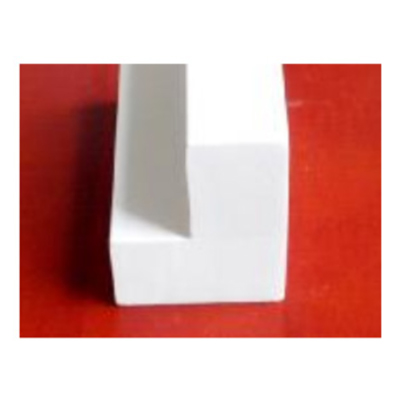
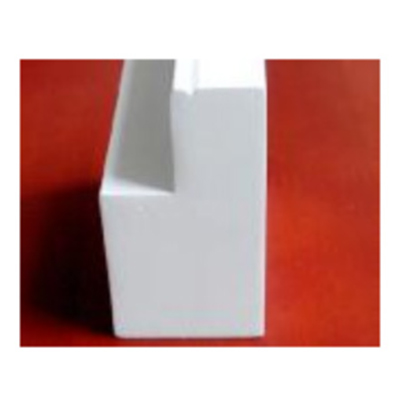
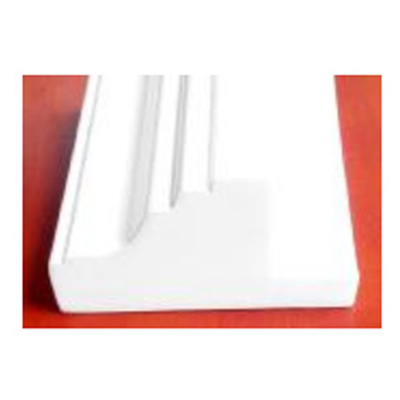
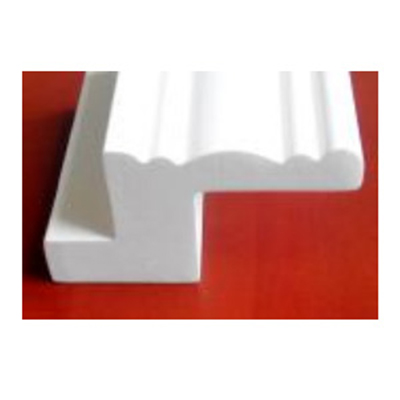
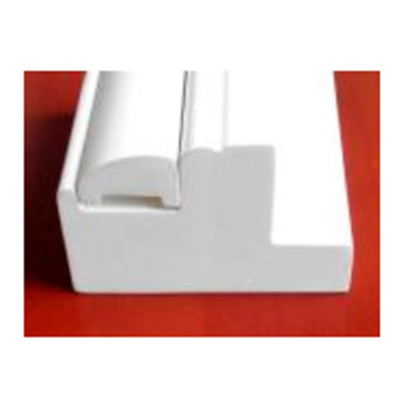
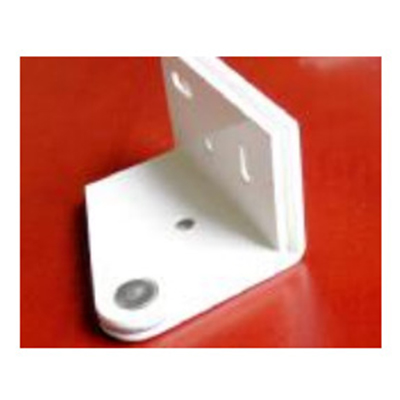
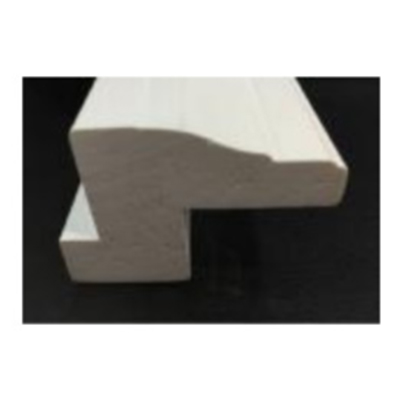
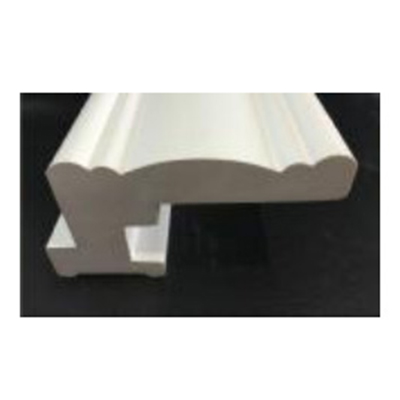
Window coverings do more than fill a frame. They shape how daylight enters a room, how much privacy a space offers, and how the interior elements work together. Behind every well-made plantation shutter sits a set of Shutter Components that quietly make all of this possible. Understanding those parts helps buyers see why two shutters that look alike can behave quite differently.
An interior shutter is built from rigid panels rather than fabric. It sits inside the window recess or mounts to the frame and uses adjustable louvers to manage light, privacy, and airflow. The panel is the visible body, but it depends on Shutter Components to function. The frame holds the panel square, the louvers tilt to direct light, and the tilt rod links the louvers so they move as one.
When Shutter Components are sized and finished with care, the shutter hangs cleanly and feels substantial in the hand. When they are not, the panel can rack, the louvers can stick, and the whole unit feels loose. That difference shows up on day one and stays for years.
Plantation shutters commonly use PVC and basswood, and each material brings its own character to Shutter Components. Basswood offers a warm grain and a natural look that suits traditional interiors. PVC brings consistency and a surface that holds its shape well in humid rooms. Both materials can be machined into frames, louvers, and tilt rods, so the choice often comes down to the room and the style of the project.
Faux wood shutters are a good example of how Shutter Components can mimic a natural material. They look like wood, feel substantial in the hand, and hang beautifully on windows, yet they never came from a tree. That effect depends on the components being matched carefully, because a convincing faux wood shutter needs consistent color, texture, and fit across every part.
Sunlight does not always need blocking outright. Sometimes a room just needs the glare softened while the view stays intact. That is the specific job a plantation shutter handles well, and it happens through the louver and tilt rod. Tilt the louvers and the room shifts from bright to softly shaded without closing the panel.
The Shutter Components behind this motion are simple but precise. The tilt rod connects the louvers, the louver pins let them pivot, and the frame keeps everything aligned. Small variations in these parts change how smoothly the shutter responds. A well-built tilt rod moves with light pressure and holds its position, which makes daily use feel effortless.
Architectural projects vary widely, and window covering products are increasingly selected according to building style, functional requirements, and project specifications. For distributors and contractors, this means Shutter Components need to support a range of panel sizes and mounting situations. An inside-mount shutter and a frame-mount shutter use related but not identical parts.
Shutters provide controlled light and privacy for rooms of many sizes. Builders and facility managers choose this window treatment when they need adjustable panels that open, close, or tilt with ease. Supplying Shutter Components that work across those conditions helps keep a project consistent from room to room and floor to floor.
Recommended Products
Let's Start The Project Together!
Contact Information
No.6 Jianlan Road, Lanxi Economic Zone, Lanxi City, Zhejiang Province, China
+86-15958416076
+86-0579-88293800
+86-0579-88893800
Mobile




 Deutsch
 عربى