2026-10-23
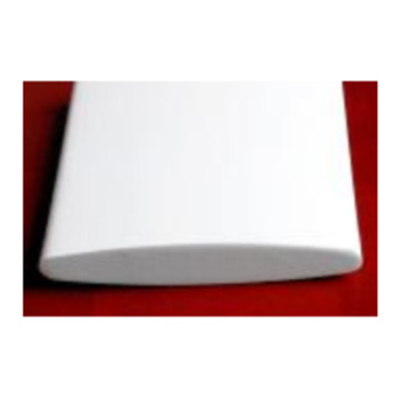
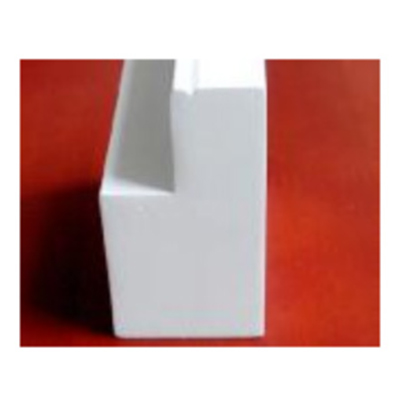
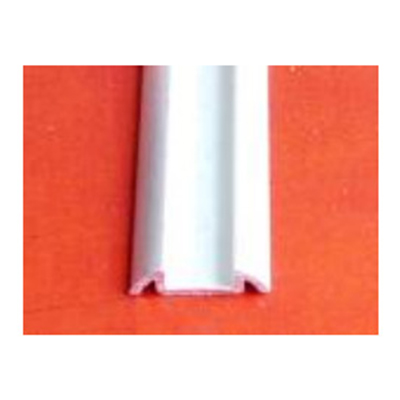
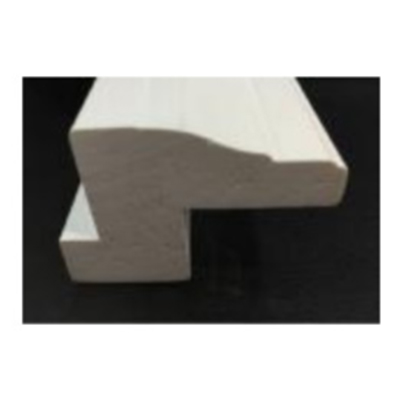
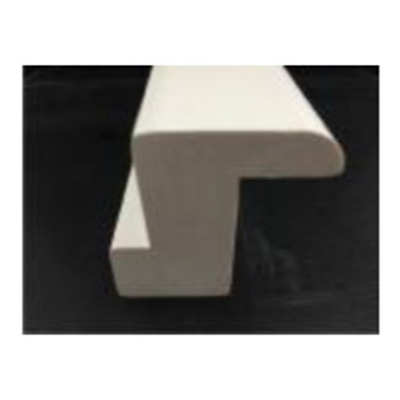
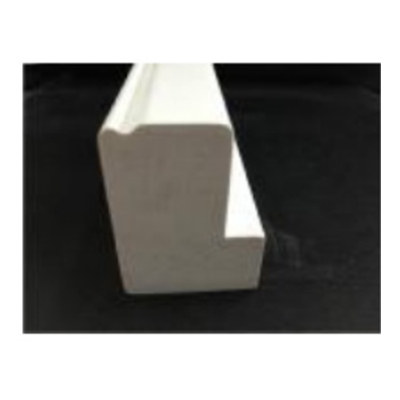
The production of a PVC Shutter commonly involves profile extrusion or molding, depending on the product structure. Extrusion is widely used for producing continuous profiles with consistent cross-sectional shapes. These profiles can then be cut to the required dimensions and assembled into shutter frames, panels, or louver systems.
Manufacturers may adjust profile dimensions, internal structures, and surface treatments to meet different design requirements. Frame strength, panel thickness, and connection methods influence how the completed shutter fits into a window or partition opening.
Several manufacturing details deserve attention:
Production consistency is also important when PVC Shutter products are supplied in batches. Uniform profile dimensions help simplify assembly and support consistent results across multiple units.
A PVC Shutter can be incorporated into different building layouts, depending on its design and material specifications. In residential projects, shutters may be used in bedrooms, kitchens, bathrooms, and living areas where adjustable light control and privacy are required.
Commercial buildings also use shutter systems in offices, hospitality spaces, retail units, and selected service areas. In these projects, product selection often depends on the interior style, window dimensions, room function, and expected frequency of use.
Common application considerations include:
The suitability of a PVC Shutter depends on its intended location and the specifications of the particular product. Interior-grade and exterior-grade designs may have different material formulations and structural requirements, so product details should be reviewed before project selection.
One reason PVC Shutter products are available in varied markets is the flexibility of their appearance. Manufacturers can offer different louver widths, frame profiles, panel arrangements, and opening configurations. These options allow distributors and project contractors to match products with different architectural styles.
Color selection also influences product positioning. White and neutral finishes are frequently associated with simple interior designs, while wood-grain effects can provide a visual alternative to natural timber. Other colors may be specified for projects with a particular decorative theme.
Customization can involve several elements, including:
For wholesale orders, customization requirements should be confirmed before production begins. Clear drawings and dimension specifications can help manufacturers coordinate profile cutting, assembly, and packaging for the intended project.
Material selection affects product weight, appearance, structural behavior, and the production process. Timber shutters are associated with natural grain patterns and can be shaped or finished in various ways. Aluminum shutters offer a different combination of rigidity and profile design, while PVC shutter products provide options based on polymer profiles and molded components.
The comparison should focus on the intended application rather than material names alone. Room conditions, shutter dimensions, panel construction, and installation methods can all affect the final result.
For example, a decorative interior window may prioritize color coordination and appearance, whereas a larger opening may require closer attention to frame structure and panel support. A PVC Shutter should therefore be evaluated according to its specific construction and the demands of the project.
Recommended Products
Let's Start The Project Together!
Contact Information
No.6 Jianlan Road, Lanxi Economic Zone, Lanxi City, Zhejiang Province, China
+86-15958416076
+86-0579-88293800
+86-0579-88893800
Mobile




 Deutsch
 عربى