2026-08-14
Walk into a room with wide wooden shutters and the first thing you notice is how the light falls. Soft bands of brightness move across the floor as someone tilts the slats. That smooth motion comes from a handful of small parts working together. People call these pieces Shutter Components, and they quietly shape the way a window behaves every day.
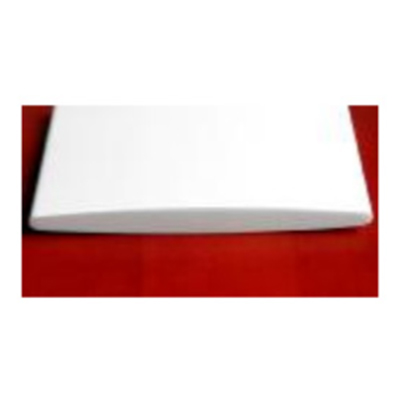
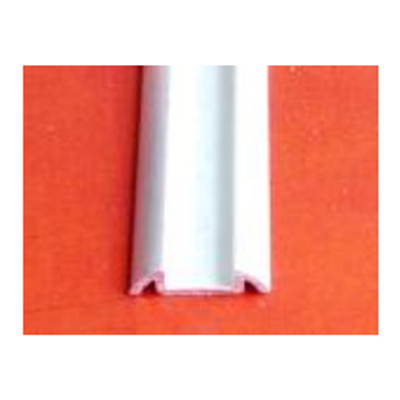
Pivot bars run along the top or bottom edge of each louver, or sometimes both. They act like small axles. When you push a tilt rod or move one blade by hand, the pivot bar transfers that motion across the whole row. Without a solid pivot bar the louvers can sag or tilt at odd angles, leaving gaps that let in too much glare or spill privacy.
Different window sizes call for different arrangements. Smaller openings often need only a top pivot bar. Taller panels gain stability from a second bar at the bottom. In wider installations the double setup keeps the middle blades from drooping under their own weight. The wood used for these bars is usually cut and finished so it matches the louvers, creating a continuous look rather than a collection of separate pieces.
Clips fasten each louver to its pivot bar. They grip tightly enough to stop the blade from sliding free, yet they still allow free rotation. Traditional clips sit visibly on the edges. Concealed versions hide inside the wood for a cleaner appearance. Adjustable clips let installers fine-tune spacing so the louvers sit evenly from top to bottom.
When the clips and bars match in size and material, the whole panel moves with almost no effort. A light touch on the tilt rod opens or closes every blade at once. That single motion controls how much daylight enters, how much of the outside view remains visible, and how private the room feels.
Here is a quick look at common pairings:
These combinations appear in living rooms, bedrooms, and office spaces where people want flexible light without heavy curtains.
Anyone who has fought with stuck blinds knows the value of free movement. Well-matched Shutter Components reduce friction at every joint. The pivot bars turn inside their sockets without binding. The clips hold tension without crushing the wood. Over months of daily use the action stays consistent because each part was sized to work with the others.
Homeowners often notice the change right after installation. Morning light can be dialed in with one hand. Afternoon sun can be cut back without closing the entire window. Guests comment on the warm wood texture more than the mechanics, yet the mechanics make the texture useful.
A second short list shows where these pieces appear most often:
In each case the same core idea applies: the frame holds the structure, the louvers manage light, and the Shutter Components link the two so the system responds the way people expect.
The quiet reliability of these parts is what keeps them in regular use. A pivot bar that stays true and a clip that grips without play turn a simple wooden panel into a tool for shaping a room’s atmosphere. That combination of wood and small engineered pieces continues to appear in homes and workplaces because it delivers clear control without drawing attention to itself. Once the Shutter Components are in place, the focus returns to the light, the view, and the space itself.
Recommended Products
Let's Start The Project Together!
Contact Information
No.6 Jianlan Road, Lanxi Economic Zone, Lanxi City, Zhejiang Province, China
+86-15958416076
+86-0579-88293800
+86-0579-88893800
Mobile




 Deutsch
 عربى
عربى