2026-08-07
Shutters have done the same basic job for centuries — control light, add privacy, frame a window from the outside. What's changed is the material. A PVC shutter takes that familiar shape and builds it from synthetic material instead of solid timber, mainly to sidestep the problem wood has never fully solved: it swells, warps, and discolors with repeated exposure to moisture and heat.
Most PVC shutters use rigid or foamed polyvinyl chloride, sometimes with a lightweight internal frame added so larger panels don't flex or sag over time. Wood absorbs moisture unevenly, following the grain, which is exactly why it eventually cups or splits near a humid window. PVC doesn't have that grain structure to begin with — it's essentially non-porous, so water has nowhere to soak in. That single difference explains a lot about where these shutters end up: bathrooms, kitchens, coastal homes, anywhere humidity or salt air would wear down a wood panel faster than the owner wants to deal with.
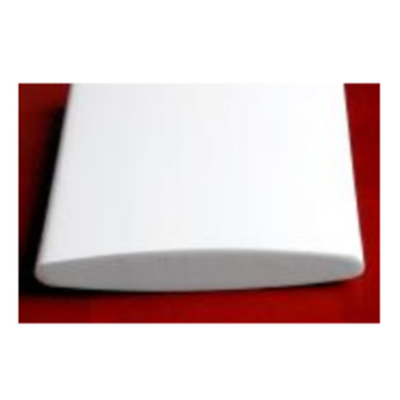
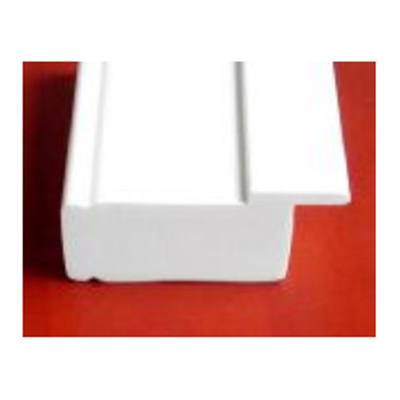
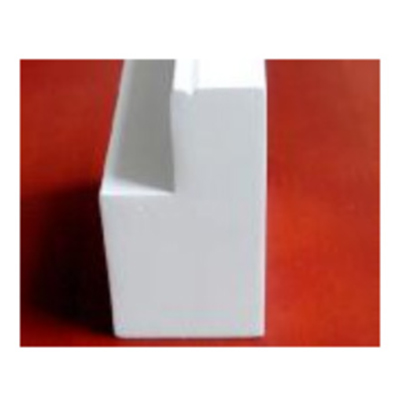
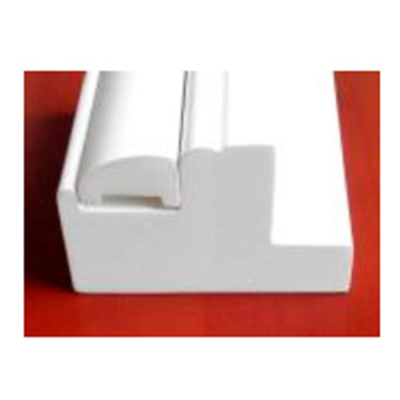
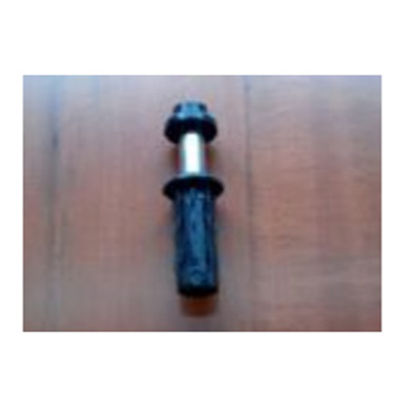
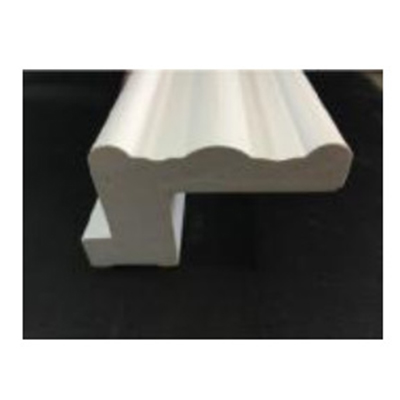
On the production side, PVC gets extruded into the louver and frame shapes first, then assembled around a center rod that ties all the louvers together so they tilt as one unit. Some manufacturers mix UV stabilizers into the PVC itself before extrusion, which helps keep the surface color even under direct sunlight instead of fading unevenly across the panel over years of exposure.
People comparing the two materials tend to keep coming back to the same handful of differences:
| Factor | PVC Shutter | Wood Shutter |
| Moisture response | Doesn't absorb water, resists swelling | Can warp or swell in humid conditions |
| Weight | Generally lighter per panel | Heavier, depending on wood species |
| Surface consistency | Uniform color and finish across panels | Natural grain variation between panels |
| Paintability | Limited repainting compared to wood | Can be sanded and refinished |
Neither one wins outright — it really comes down to where the shutter is going. A dry interior room barely stresses either material. A window that takes direct weather, or a bathroom running steam most mornings, tends to make PVC the more sensible pick simply because it isn't fighting moisture the whole time.
The inside of a PVC shutter isn't standardized the way the outside might suggest. Louver width, tilt setup, and overall panel layout shift depending on what the shutter is meant to do:
Tilt mechanisms usually run through a visible center rod, though some newer builds shift that hardware to the side of the panel instead, leaving the front face clean and uninterrupted.
Windows aren't standardized across buildings, so PVC shutters are typically produced with adjustable panel widths and flexible louver counts rather than as one fixed size. A narrower window might just need a simple two-panel hinged setup. A wider one often calls for three or four panels in a bifold or sliding arrangement, mainly so no single panel ends up too heavy to open and close smoothly.
Buyers handling larger projects — property developers, window and door suppliers, OEM partners building out home improvement lines — usually start from a range of window dimensions across the whole project rather than one measurement in isolation. Planning around that range, rather than a single size, is what actually shapes material ordering and production scheduling before installation ever begins.
What a PVC shutter really offers is the visual structure people expect from a traditional shutter, minus the material headaches that come standard with solid wood. That trade-off is a big part of why it's become a routine option across window treatment lines in both residential and light commercial settings.
Recommended Products
Let's Start The Project Together!
Contact Information
No.6 Jianlan Road, Lanxi Economic Zone, Lanxi City, Zhejiang Province, China
+86-15958416076
+86-0579-88293800
+86-0579-88893800
Mobile




 Deutsch
 عربى
عربى