2026-04-03
Shutter components play a vital role in both residential and commercial applications. These elements are designed to enhance the performance and longevity of shutters, which are used for a variety of purposes including window protection, privacy, and aesthetic appeal.
One of the most fundamental components in a shutter system is the shutter blade. The blades are what provide coverage and protection. They can be made from a variety of materials such as wood, aluminum, PVC, or composite materials. Each material offers a unique set of advantages, including durability, ease of maintenance, and resistance to weather conditions. For example, aluminum blades are known for their resistance to rust, while wooden blades provide a more classic look for traditional settings.
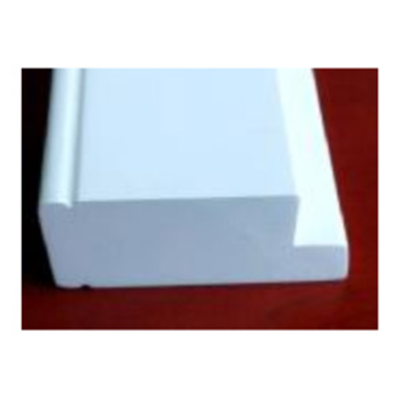
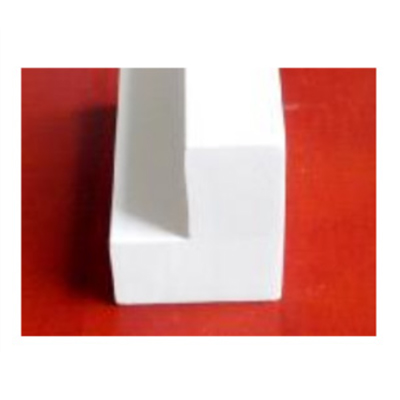
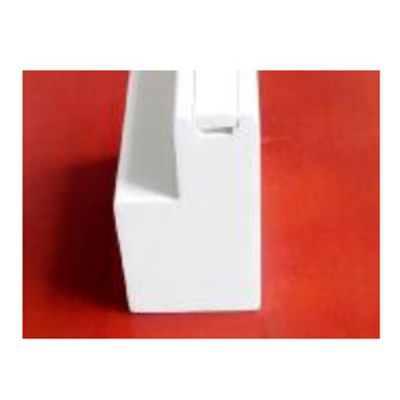
Another important component is the shutter frame. The frame provides structure and stability to the entire system, allowing the shutter blades to be securely mounted. Frames are typically designed to fit specific window sizes, ensuring a tight seal when closed. The frame is often made from materials such as wood, steel, or vinyl, depending on the shutter's intended use. The material choice for the frame is crucial, as it must support the weight of the blades and withstand external forces like wind or impact.
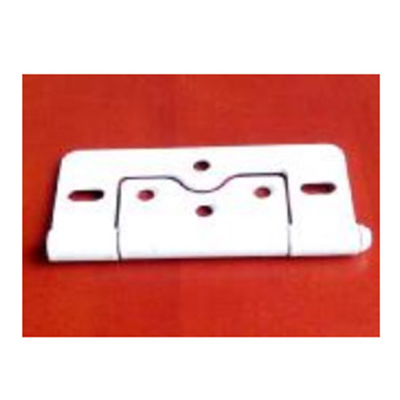
Shutter hinges are also essential for the proper functioning of the system. These allow the shutters to open and close smoothly. High-quality hinges are important for long-lasting performance, as they are subject to constant wear and tear. They can be made from metal or plastic, with metal hinges offering greater durability. Additionally, hinges come in different designs, such as continuous or standard hinges, which impact the range of motion and ease of use.
The locking mechanism is another critical component that adds security to the shutter system. Whether it’s a traditional key lock, a bolt lock, or a more advanced electronic locking system, the mechanism ensures that the shutters remain securely closed when needed. For shutters used in security-sensitive applications, a reliable locking mechanism is a must. These locks can be designed to prevent unauthorized access, ensuring that the shutters perform their protective function effectively.
In addition to these basic components, shutter latches and fasteners play important roles in securing the system. Latches are used to hold the shutter blades in place when closed, while fasteners are used to secure the entire system to the building. Both of these components need to be durable and resistant to corrosion to ensure the shutters remain functional over time.
Advancements in shutter technology have also led to the development of automated shutter systems. These systems use motors and sensors to open and close the shutters automatically, providing added convenience and security. Motorized shutters are often used in commercial settings or homes where manual operation may be cumbersome. With these systems, users can control their shutters via remote control or smartphone apps, making them ideal for modern homes that prioritize smart technology.
The materials used in shutter components also influence the overall performance. For example, composite materials combine the strength of wood and the durability of plastic, making them a popular choice for modern shutters. Additionally, some manufacturers are exploring eco-friendly materials, like recycled plastics, to meet growing consumer demand for sustainable products.
The durability of shutter components depends not only on the materials used but also on the design and manufacturing process. Quality control measures during production ensure that each component is tested for performance under various conditions, including extreme temperatures, humidity, and wear. Shutter manufacturers are continually improving their designs to ensure that components withstand the rigors of daily use.
Recommended Products
Let's Start The Project Together!
Contact Information
No.6 Jianlan Road, Lanxi Economic Zone, Lanxi City, Zhejiang Province, China
+86-15958416076
+86-0579-88293800
+86-0579-88893800
Mobile




 Deutsch
 عربى
عربى