2026-09-11
Sunlight doesn't always need blocking outright — sometimes a room just needs the glare softened while the view stays intact. That's the specific job a plantation shutter handles better than a lot of window treatments. Wide, adjustable louvers tilt to redirect light upward or downward, letting a homeowner shape how much brightness enters a room without going fully dark or fully exposed.
The defining feature of a plantation shutter is louver width. Traditional blinds or shutters use narrow slats, but plantation styles typically run louvers between two and a half and four and a half inches wide. Wider louvers mean fewer slats per panel, which translates into a cleaner sightline when someone looks through a partially open shutter toward the window beyond.
Tilt mechanisms vary across manufacturers. Some panels use a visible center tilt rod running down the louver stack, while others hide the mechanism inside the frame, giving an unobstructed view when the shutter sits open. Hidden tilt systems tend to cost more in production complexity, though they've become common enough that buyers now expect the option rather than treating it as a rare upgrade.
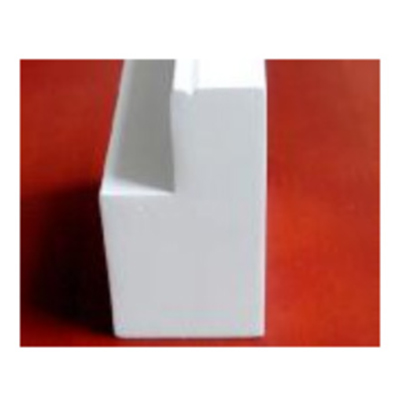
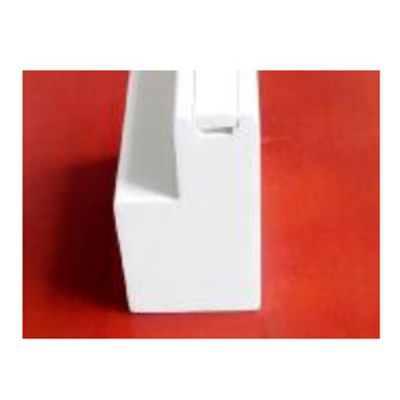
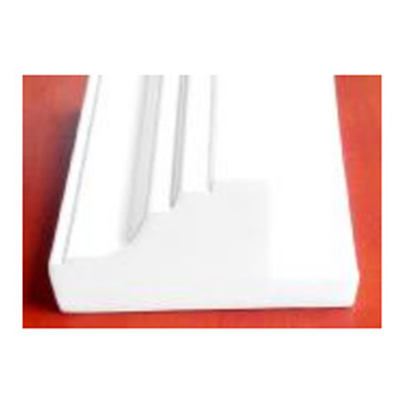
Frame construction holds everything together, and frame depth matters more than people expect. A frame built too shallow won't seat the louver stack properly against deep window trim, while an overly deep frame can look bulky on a slim window opening. Manufacturers producing plantation shutter units for custom orders typically offer several frame depths specifically to solve this fitting problem.
Living rooms and bedrooms account for a large share of plantation shutter installations, largely because these spaces benefit from adjustable privacy alongside light control. Bathrooms and kitchens present a different case — moisture exposure pushes buyers toward vinyl or composite panels rather than solid wood, since wood louvers can warp or swell in humid conditions over time.
A few placement patterns come up repeatedly:
Coastal homes lean toward plantation shutters partly for aesthetic reasons and partly for practicality — vinyl versions resist salt air and humidity in ways fabric curtains simply can't match over repeated seasons.
Solid wood plantation shutter panels, often basswood or poplar, offer a warmer visual texture and take paint or stain finishes well. Weight becomes a factor on larger panels, though, since wood louvers add noticeable heft compared to synthetic alternatives, which matters for hinge durability on wider window openings.
Vinyl panels solve the moisture problem directly, holding shape in bathrooms, laundry rooms, and humid climates without the swelling risk wood carries. Composite materials split the difference, blending a wood-look finish over a core material built to resist warping, giving buyers a middle option between appearance and moisture resistance.
Standard rectangular windows are straightforward enough for measurement, but arched windows, angled bay configurations, and irregular openings push plantation shutter production toward custom templating. Manufacturers handling these orders typically request a physical template or precise measurements at multiple points across the opening, since a single width-and-height measurement won't capture an arch's curve or an angled frame's slope accurately.
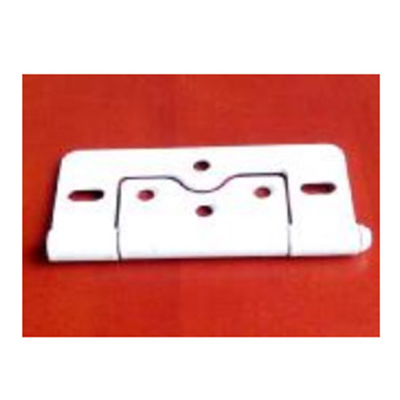
This custom-fit requirement separates plantation shutter production from mass-produced blind manufacturing in a meaningful way. Blinds get trimmed to width after purchase; shutters get built to a specific opening from the start, with hinge placement, louver count, and frame trim all calculated around that one window's exact dimensions before production begins.
Recommended Products
Let's Start The Project Together!
Contact Information
No.6 Jianlan Road, Lanxi Economic Zone, Lanxi City, Zhejiang Province, China
+86-15958416076
+86-0579-88293800
+86-0579-88893800
Mobile




 Deutsch
 عربى
عربى