2026-06-26
When you think of window shutters, wood might come to mind first. But there is another material that handles moisture without complaint: the PVC shutter. PVC stands for polyvinyl chloride, a type of plastic that has been used for window coverings for years. Unlike wood, a PVC shutter does not absorb water. This makes it a useful choice for rooms where humidity is a daily fact of life. Let's look at what a PVC shutter offers, where it works well, and why many homeowners are giving it a try.
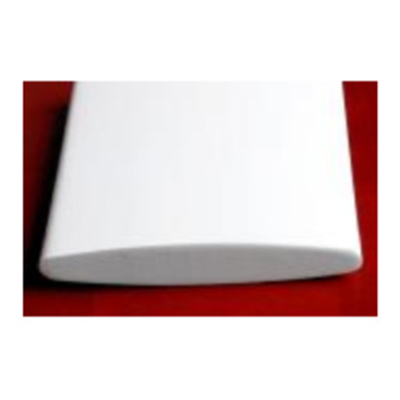
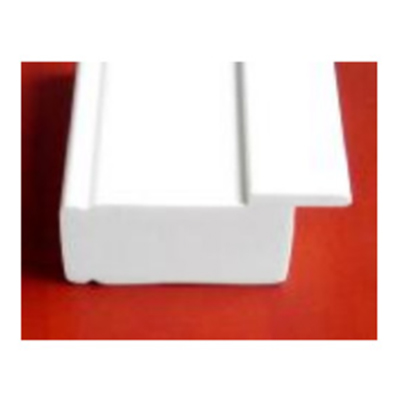
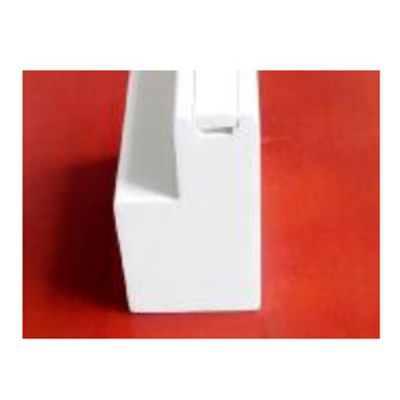
A PVC shutter looks similar to a wooden plantation shutter. It has a frame, movable louvers, and a tilt rod. The difference is the material. Instead of wood, the shutter is made from extruded or molded PVC. This material is solid throughout, not coated. A PVC shutter can be white, off-white, or made to look like painted wood. Some manufacturers add a wood-grain texture to the surface. But even without that texture, a PVC shutter has a clean, smooth appearance. The louvers move just like those on a wood shutter. You tilt them open for light and airflow, or close them for privacy.
Think about places in a house where moisture hangs in the air. A bathroom after a hot shower. A laundry room with a running dryer. A kitchen near a steaming pot. A basement window that feels damp. These are spots where a wood shutter might slowly warp or develop mold over time. A PVC shutter handles these conditions without changing shape. The material does not rot, and it does not provide food for mold. That is why many people choose a PVC shutter for bathrooms and kitchens.
Another location is a coastal home. Air near the ocean carries salt and humidity. Wood shutters can show wear after a few seasons. A PVC shutter stays stable. It also resists the sun's UV rays better than some materials, so the color does not fade quickly. For rental properties or vacation homes, a PVC shutter offers a low-worry option. Tenants might leave windows open in the rain, but the shutters will not be damaged.
When you operate a PVC shutter, the movement is smooth. The louvers rotate with a light touch. The frame feels solid but not heavy. Installation is easier than wood because PVC is lighter. You can mount the shutter inside the window frame (called an inside mount) or outside the frame (an outside mount). Most people choose inside mount for a neat look. The shutter hinges open like a door, so you can access the window glass for cleaning.
Some people worry that a PVC shutter might look cheap or plastic-like. But modern PVC shutters have a matte finish and subtle texture. From a few feet away, they resemble painted wood. They do not have a glossy shine unless you specifically buy a glossy version. For many rooms, a PVC shutter blends in nicely with other materials like tile, stone, or painted drywall.
No window covering works perfectly in every situation. But for bathrooms, laundry rooms, and kitchens, a PVC shutter solves real problems. It resists moisture, stays easy to clean, and controls light without fuss. It does not claim to be fancy or luxurious. Instead, it focuses on being practical and long‑lasting. If you have a window that sees steam or splashes, a PVC shutter is worth considering. It gives you the look of a shutter with the durability of plastic. And that combination works well for many households.
Recommended Products
Let's Start The Project Together!
Contact Information
No.6 Jianlan Road, Lanxi Economic Zone, Lanxi City, Zhejiang Province, China
+86-15958416076
+86-0579-88293800
+86-0579-88893800
Mobile




 Deutsch
 عربى
عربى