2026-06-19
When you look at a finished shutter on a window, it seems like one simple piece. But behind that neat appearance is a collection of smaller parts known as shutter components. Each component has a job. When they work together, you get a shutter that opens, closes, tilts, and stays where you put it. Understanding these parts can help you choose a shutter, fix a small issue, or simply appreciate how things are put together.
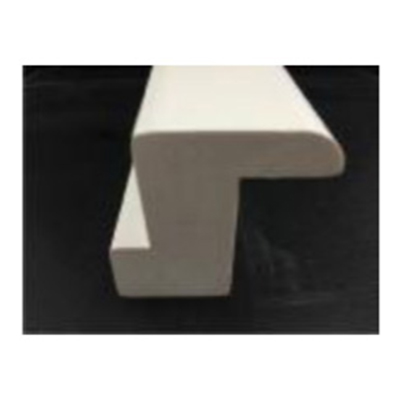
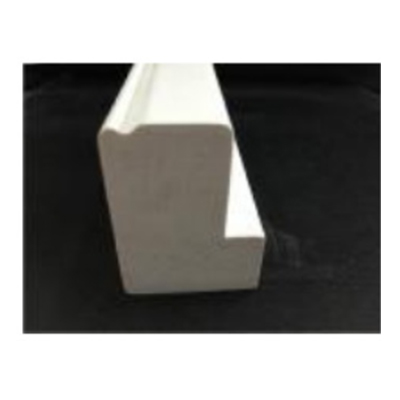
Let's start with the frame. The outer rectangle that holds everything is made of two types of shutter components: stiles and rails. Stiles are the vertical side pieces. Rails are the horizontal top and bottom pieces. Together they form a sturdy border. Inside this frame sit the louvers. Louvers are the horizontal slats that tilt. They are the most visible shutter components. Louvers can be wide (plantation style) or narrow (traditional style). Their main job is to control light and airflow. A louver rotates around a pin at each end. Those pins fit into holes drilled into the stiles.
To make all the louvers move together, you need a tilt rod. The tilt rod is a vertical bar attached to each louver. When you push the rod up or down, every louver turns at the same angle. Some shutters have a hidden tilt rod that sits behind the louvers, so you do not see it from the front. Others have a center‑mounted rod that is clearly visible. Both styles work fine. The tilt rod is connected to the louvers by small connectors or staples. These tiny shutter components are easy to overlook, but if one breaks, that louver will stop moving with the others.
Another key part is the hinge. Hinges attach the shutter panel to the window frame or wall. For interior shutters, you often see mortise hinges that sit flush with the wood or plastic. For exterior shutters, heavier duty hinges are used. Hinges allow the shutter to swing open. Without good hinges, the shutter might sag or rub against the window. Most shutter hinges come with screws. Those screws are also shutter components — small but important. Using the right length screw prevents the hinge from pulling out over time.
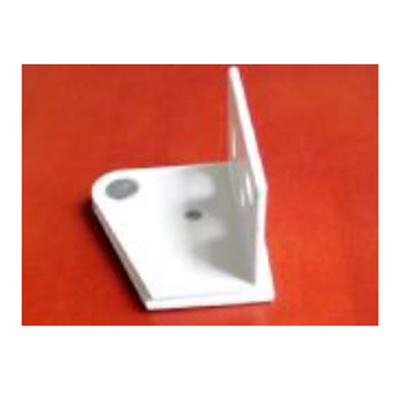
For exterior shutters, there are additional components like holdbacks or tie‑backs. A holdback is a small bracket mounted on the wall next to the window. When you swing the shutter open, it snaps into the holdback to stay out of the way. Holdbacks are usually metal and come with their own screws. Without them, an open exterior shutter might swing in the wind and hit the wall.
Another useful component is the panel divider. On tall shutters, a single long louver could be flexible. So manufacturers add a middle rail — a horizontal divider that splits the shutter into two sections. Each section has its own louvers. The divider adds strength and gives you more control. You can tilt the top louvers open for light while keeping the bottom louvers closed for privacy.
All these shutter components come from different materials. Wood shutters use wood, of course, plus metal hinges and screws. PVC shutters use plastic for louvers, stiles, and rails, but may still have metal hinges or magnetic catches. Composite shutters blend wood and plastic. The choice of materials affects how the components feel and how long they last. But the basic list of parts remains similar.
Recommended Products
Let's Start The Project Together!
Contact Information
No.6 Jianlan Road, Lanxi Economic Zone, Lanxi City, Zhejiang Province, China
+86-15958416076
+86-0579-88293800
+86-0579-88893800
Mobile




 Deutsch
 عربى
عربى