2026-02-20
Shutter components form the backbone of window treatments, combining functionality, durability, and aesthetics. Each component, from slats and frames to hinges and mounting hardware, plays a specific role in ensuring that shutters operate smoothly and provide both privacy and light control. Manufacturers of shutter components focus on precision, material selection, and quality assurance to deliver reliable pieces that fit seamlessly together and perform consistently in daily use.
The role of shutter components extends beyond individual windows. Designers and architects often consider the interaction between multiple shutters in a room to create cohesive light management and airflow patterns. High-quality components contribute to a professional finish, making spaces feel thoughtfully designed while ensuring practical functionality for users.
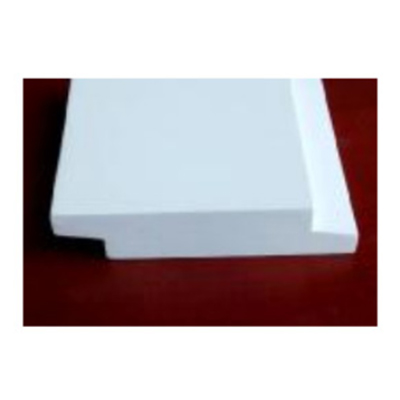
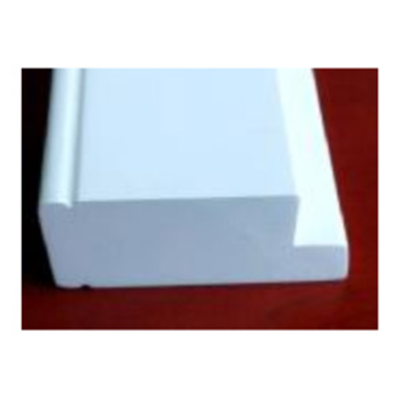
Shutter components are typically made from wood, PVC, aluminum, or composite materials. The choice of material depends on the intended environment, design preference, and desired durability. Timber components are dried and treated to resist warping, while PVC and aluminum components are molded or extruded to precise dimensions. Composite materials may combine elements of metal and polymer to achieve a balance of stability and aesthetic appeal. Preparation includes cutting, shaping, and surface treatment to ensure consistency and longevity of each piece.
Suppliers also consider regional climate conditions when selecting materials. For instance, shutters destined for humid environments may require extra sealing or polymer coatings to prevent swelling or discoloration. The selection process also evaluates sustainability, sourcing materials responsibly without compromising performance. High-quality raw materials reduce production defects, simplify assembly, and extend the life of the final product.
Manufacturing shutter components involves multiple steps to guarantee accuracy and functionality. Frames and slats are cut to exact dimensions, and grooves or hinges are integrated to allow smooth operation. Automated machinery often performs repetitive tasks, while skilled workers oversee assembly, adjusting tolerances and ensuring alignment. Precision during this stage is critical; misaligned slats or uneven frames can affect the performance and appearance of the final shutter.
During assembly, attention is paid to hardware integration. Hinges, screws, and tilt mechanisms must operate seamlessly, requiring careful calibration. Some factories also provide modular assembly options, letting customers replace or upgrade components without removing the entire shutter. This modularity increases convenience and reduces long-term maintenance costs, providing flexibility for changing home or office requirements.
Quality control is a continuous part of the production process. Components are inspected for size, weight, surface smoothness, and structural integrity. Testing may include stress checks, hinge operation, and finishing durability. Each component must meet strict specifications to ensure smooth interaction with other parts in a shutter system. Factories may also conduct sample installations and operational testing to identify potential issues before shipment. Regular inspection reduces waste, improves consistency, and enhances customer satisfaction by minimizing functional problems after installation.
Shutter components are installed in residential, commercial, and industrial buildings, offering control over light, airflow, and privacy. Properly manufactured components contribute to ease of installation, long-term durability, and smooth operation. Adjustable slats, sturdy frames, and reliable hardware ensure that shutters function well under various conditions. Modular designs allow easy replacement or customization if needed, while consistent performance supports a professional appearance and long-term reliability.
Shutter components are also important in maintenance and renovation projects. High-quality parts simplify repairs, allowing homeowners and property managers to replace only the affected elements rather than entire shutter systems. They support various interior design choices, allowing shutters to enhance light control, privacy, and energy efficiency without compromising style.
Recommended Products
Let's Start The Project Together!
Contact Information
No.6 Jianlan Road, Lanxi Economic Zone, Lanxi City, Zhejiang Province, China
+86-15958416076
+86-0579-88293800
+86-0579-88893800
Mobile




 Deutsch
 عربى
عربى