2026-02-13
PVC shutters have become a popular alternative to traditional materials, offering a combination of durability, low maintenance, and versatility. These shutters are widely used in homes, offices, and commercial spaces, where consistent performance and long-lasting appearance are important. PVC material resists moisture, fading, and insect damage, making it suitable for areas with varying environmental conditions or frequent exposure to sunlight and humidity. They are also lighter than many wood alternatives, which allows easier handling and installation, while providing a clean, modern look that suits both contemporary and classic interiors.
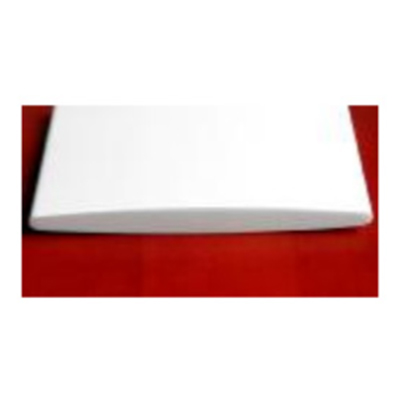
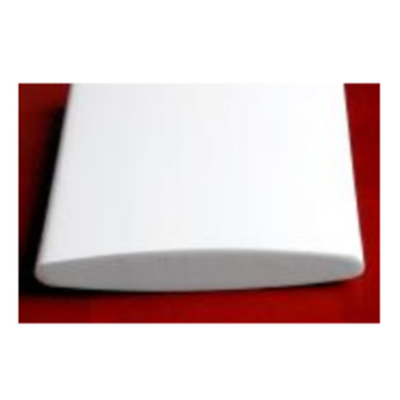
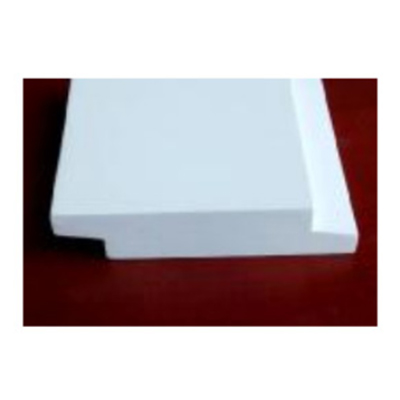
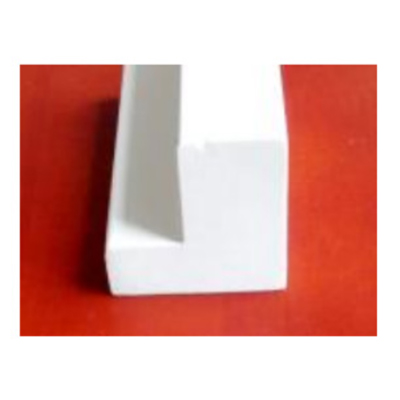
The production of PVC shutters starts with high-quality polymer materials that are formulated for stability and strength. Extrusion processes shape the material into slats, frames, and panels, ensuring consistent dimensions and smooth surfaces. PVC shutters can be designed to mimic the appearance of wood, providing aesthetic appeal without the need for natural timber maintenance. Color additives may be incorporated during extrusion to reduce the need for painting or staining. Factories may also include UV stabilizers and impact modifiers in the formulation to improve resistance to environmental stress, extending the life of the shutters.
Cutting and assembly transform extruded panels into functional shutters. Slats are measured and connected within frames, and hinges or mounting hardware are attached for installation. Precision is important to ensure smooth operation and proper alignment. Unlike wood shutters, PVC shutters require less adjustment over time, as the material remains stable under changing temperature and humidity conditions. Some manufacturers design shutters with modular systems, allowing for easier replacement of individual components and simplifying repairs when necessary. These modular designs also make it possible to customize shutter layouts for different window sizes and shapes, improving flexibility for both residential and commercial projects while maintaining consistent performance.
Finishing processes for PVC shutters focus on enhancing appearance and ease of cleaning. Surfaces can be treated to reduce glare, resist dirt accumulation, or support color retention over time. These features allow homeowners and commercial property managers to maintain shutters without extensive effort, contributing to overall convenience and satisfaction. Some factories offer custom finishes, textures, or even simulated wood grains to give PVC shutters a more premium look without sacrificing durability or weather resistance.
Distribution and installation considerations are central to PVC shutter usage. Panels may be shipped pre-assembled or as modular units, depending on window size and project requirements. Installers ensure proper fitting and operation, particularly for custom-sized openings or multi-panel arrangements. Homeowners and property managers often appreciate the combination of simplicity, durability, and low maintenance that PVC shutters offer. Clear instructions, protective packaging, and coordinated delivery schedules help ensure that shutters arrive in optimal condition and perform reliably after installation.
In practical use, PVC shutters provide consistent performance for light control, privacy, and thermal insulation. Their resistance to moisture and wear supports long-term functionality, even in kitchens, bathrooms, or exterior-facing windows. PVC shutters remain a preferred option for those seeking a low-maintenance, adaptable, and visually appealing window treatment solution across various building environments.
PVC shutters offer a combination of practicality, durability, and aesthetic flexibility that suits a wide range of residential and commercial settings. Their low-maintenance nature and resistance to environmental factors make them a reliable choice for long-term use. Customizable designs, modular components, and easy cleaning allow PVC shutters to offer convenience and consistent performance.
Recommended Products
Let's Start The Project Together!
Contact Information
No.6 Jianlan Road, Lanxi Economic Zone, Lanxi City, Zhejiang Province, China
+86-15958416076
+86-0579-88293800
+86-0579-88893800
Mobile




 Deutsch
 عربى
عربى