2026-02-06
Wood shutters have remained a staple in residential and commercial architecture for many years. Their natural texture and warm aesthetic make them a popular choice for homeowners and designers alike. These shutters are valued for their ability to combine functionality with visual appeal, offering both light control and privacy in various interior and exterior spaces. Wood shutters can be customized to fit different window shapes, sizes, and interior themes, allowing property owners to align them with their overall design style. They also contribute to the ambiance of a room, complementing furniture, flooring, and decorative elements, while offering a timeless appearance that suits both traditional and modern spaces.
The production of wood shutters begins with selecting appropriate timber, which is chosen for durability, grain pattern, and resistance to warping. Commonly used species include pine, oak, and hardwood varieties. The wood is carefully dried and treated to prevent moisture absorption and structural changes over time. This initial preparation is essential for ensuring that the shutters maintain their shape and performance for many years. Factories may also inspect timber for knots or imperfections to ensure visual uniformity and structural strength, which affects the final quality and longevity of the shutters.
Once the timber is prepared, cutting and shaping processes transform raw planks into louvered panels, frames, and components. Precision is important at this stage to ensure that slats operate smoothly and align correctly within the shutter frame. Advanced woodworking tools and machinery assist in shaping, sanding, and smoothing edges, while skilled artisans oversee quality to maintain consistent standards across production batches. Some factories also integrate laser or CNC equipment to enhance accuracy for complex designs and custom orders, ensuring shutters meet precise measurements for each window opening.
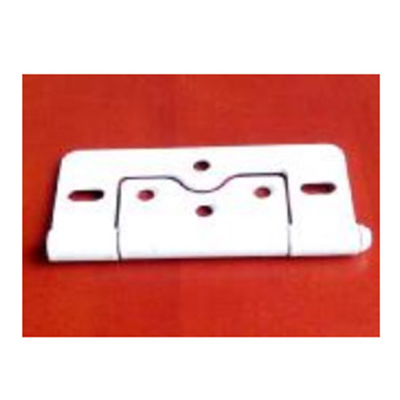
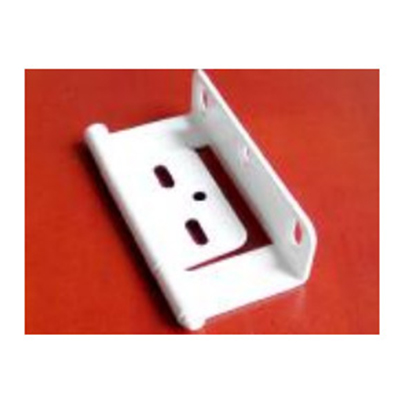
Assembly brings together louvered panels, frames, and hinges. Each shutter is inspected to confirm that slats tilt evenly and that the overall structure remains balanced. Finishing touches, such as staining or sealing, enhance the appearance of the wood while protecting it from environmental factors such as humidity or UV exposure. Many factories offer a variety of finishes to match interior color palettes and customer preferences. Additional treatments, like anti-scratch coatings or water-resistant finishes, increase durability and simplify cleaning, allowing the shutters to retain their visual appeal for years without extensive upkeep.
Distribution and installation play important roles in the wood shutter industry. Shutters may be shipped as individual panels or complete sets for multiple windows. Installers and suppliers work closely to ensure proper fitting and operation, particularly when shutters are custom-sized or designed for unusual window configurations. End users value ease of installation as well as the durability and performance of the final product. Support services, including installation guides and maintenance tips, help customers maximize the shutters’ functionality and lifespan, improving satisfaction with their investment.
In daily use, wood shutters offer versatility. They provide control over light entering a room and contribute to energy efficiency by helping insulate against heat and cold. Properly maintained shutters retain their structural integrity and visual appeal for many years, supporting consistent use without significant adjustments. Wood shutters remain a choice for those seeking a natural, adaptable, and functional window treatment. They can also increase the perceived value of a property, enhancing interior aesthetics while combining practical benefits that suit both homeowners and commercial spaces.
Recommended Products
Let's Start The Project Together!
Contact Information
No.6 Jianlan Road, Lanxi Economic Zone, Lanxi City, Zhejiang Province, China
+86-15958416076
+86-0579-88293800
+86-0579-88893800
Mobile




 Deutsch
 عربى
عربى