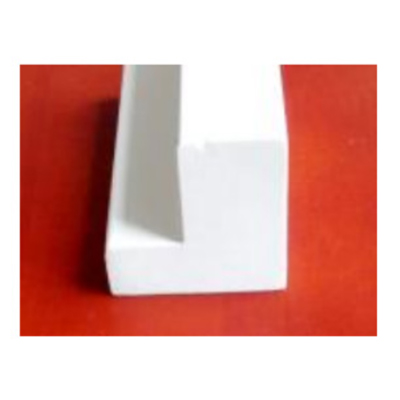
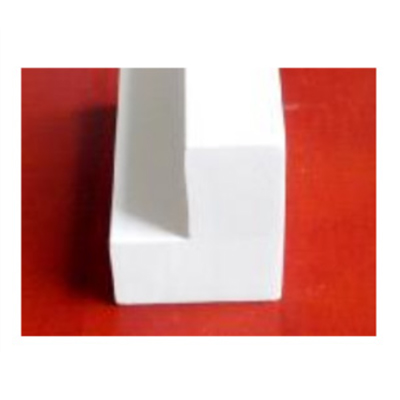
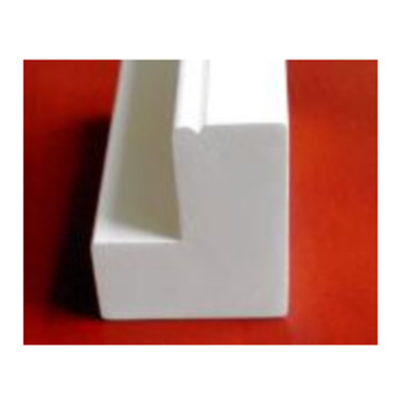
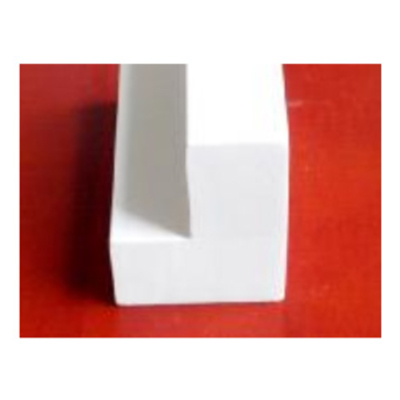
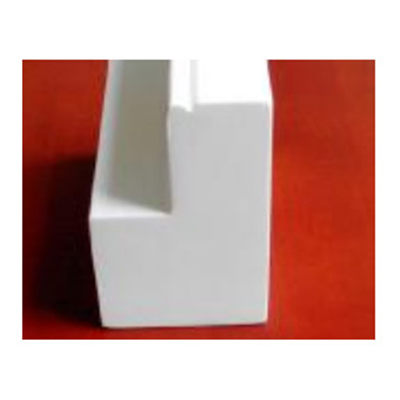
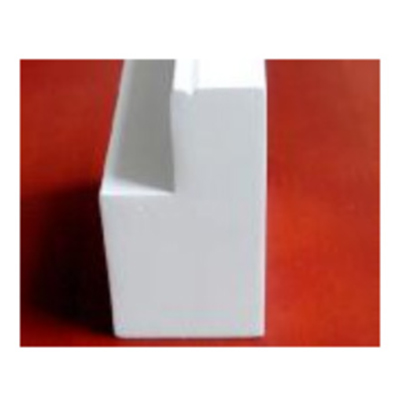
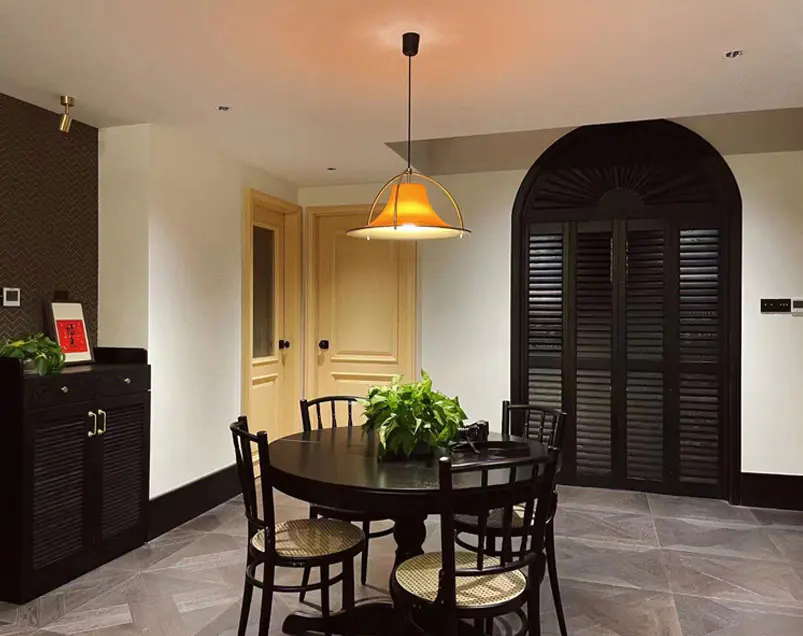
Wooden shutters, as a classic window treatment, not only hold an important place in interior design but also have become the preferred choice for many homes and commercial spaces due to their elegant appearance, good light control, and good privacy protection. Various components associated with wooden shutters, such as wooden shutter pivot bars and wooden shutter louver clips, play a crucial role in the structure, operation, and durability of the shutters.
Basic Structure of Wooden Shutters
Before discussing the various components of wooden shutters in detail, let's one understand the basic structure of wooden shutters. Wooden shutters typically consist of the following main parts:
- Shutter Frame: The outer frame of the shutter, providing support and fixation.
- Shutter Louvers: The core part of the shutter; adjusting the angle of the louvers controls the light and airflow entering the room.
- Shutter Hinges: Used to connect the shutter to the window frame, allowing the shutter to open and close.
- Pivot Bars: Pivot bars are an important component of wooden shutters, allowing the louvers to rotate stably and maintain balance.
- Louver Clips: Louver clips are used to fix the louvers to the pivot bars, ensuring that the louvers can be smoothly adjusted.
Among these, wooden shutter pivot bars and wooden shutter louver clips, as important components for connecting and fixing the louvers, play an indispensable role in ensuring the normal operation and durability of wooden shutters.
Wooden Shutter Pivot Bars
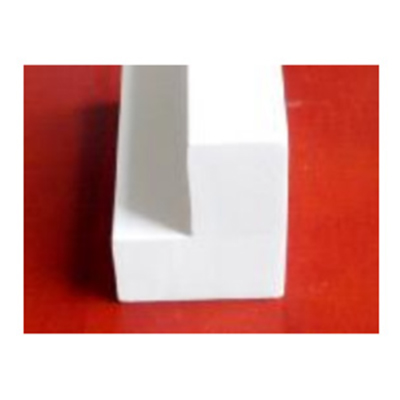
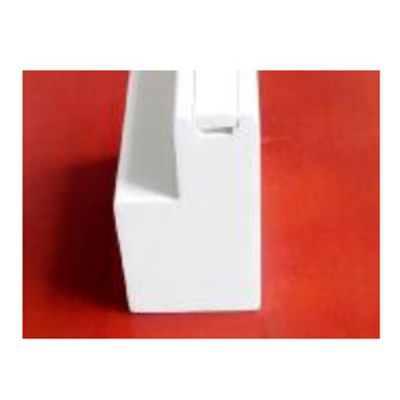
Wooden shutter pivot bars are components used to connect the window frame to the louvers, usually installed at the top or bottom of the louvers, providing support and allowing the louvers to rotate. The pivot bars connect to both ends of the louvers, allowing them to rotate smoothly, thus controlling light and ventilation.
Functions of Wooden Shutter Pivot Bars
- Supporting the Louvers: Pivot bars are important supporting components of the shutter, ensuring that the louvers are evenly distributed within the window frame and remain stably in a vertical position. The pivot pin helps the louvers rotate freely while preventing them from sagging or tilting.
- Rotation Function: The pivot pin allows the louvers to rotate on a horizontal axis, adjusting the angle to control the amount of light entering the room, air circulation, and privacy. By precisely adjusting the angle of the louvers, the indoor light can be softened, and the light intensity can be adjusted as needed.
- Durability and Stability: High-quality wooden shutter pivot pins are usually made of sturdy and durable wood or metal materials, able to withstand long-term use and maintain good rotational performance. The quality of the pivot pin directly affects the stability and smooth operation of the louvers.
Types of Wooden Shutter Pivot Pins
Depending on the design and purpose of the wooden shutters, there are different types of wooden shutter pivot pins. Common types of pivot pins include:
- Top Pivot Pin: Installed at the top of the louvers, suitable for smaller wooden shutters, providing basic support and rotation function.
- Bottom Pivot Pin: Similar to the top pivot pin, the bottom pivot pin is usually used to enhance the stability of the louvers, especially when the shutters are larger; the bottom pivot pin plays a more important supporting role.
- Double Pivot Pin Design: In some larger or heavier wooden shutters, a double pivot pin design with both top and bottom pivot pins is used to ensure that the louvers rotate stably without sagging.
Wooden Shutter Louver Clips
Wooden shutter louver clips are components used to fix the louvers to the pivot pin. They are usually made of plastic or metal materials and are installed on both sides of the louvers, ensuring that the louvers are securely fixed to the pivot pin while allowing them to rotate freely.
Functions of Wooden Shutter Louver Clips
- Fixing the Louvers: The main function of the louver clips is to fix the louvers to the pivot pin, ensuring that the louvers can rotate freely on the pivot pin without easily falling off.
- Angle Adjustment: The louver clips are designed to withstand the weight of the louvers and maintain their stability, ensuring that the louvers can be adjusted smoothly. By adjusting the position of the louver clips, the angle of the louvers can be easily controlled, changing the intensity of light and the effect of indoor ventilation.
- Easy Installation and Removal: The design of wooden shutter slats and clips is usually very simple, allowing for easy removal or replacement of the slats. When slats are damaged or need cleaning, the clips make the process more flexible.
Types of Wooden shutter Slats and Clips
Wooden shutter slats and clips come in various designs, commonly including:
- Traditional Clips: Usually made of metal or plastic, these securely connect the slats to the support shaft and are simple to use.
- Concealed Clips: To enhance aesthetics, some high-end wooden shutters use concealed clips, making the connection between the slats and the support shaft less noticeable, ensuring a clean and small appearance.
- Adjustable Clips: Some high-end wooden shutters feature adjustable clips. This design allows users to adjust the spacing between the slats according to their needs, further enhancing the flexibility of light control.
Matching Wooden shutter Support Shafts and Clips
Wooden shutter support shafts and clips are usually used in conjunction with each other. The combination of the two ensures smooth operation and long-term durability of the shutters. When choosing these components, in addition to considering the material and structural stability, their compatibility should also be considered. For example, when choosing the support shaft and clips, it is necessary to ensure that their size and design match the size of the slats to ensure smooth and stable rotation.
The following are some common configurations when using wooden shutter support shafts and clips together:
| Component Type |
Function Description |
Applicable Scenarios |
| Top Support Shaft + Traditional Clips |
Provides basic support and rotation function |
Small wooden shutters or decorative window coverings |
| Bottom Support Shaft + Concealed Clips |
Enhances slat stability and improves aesthetics |
High-end wooden shutters or spaces requiring high aesthetic appeal |
| Dual Support Shaft Design + Adjustable Clips |
Dual support shaft design enhances stability, adjustable clip angle |
Large wooden shutters or spaces requiring precise light control |
Wooden shutter Installation and Maintenance
The installation of wooden shutters usually includes measuring the window frame dimensions, selecting appropriate support shafts and clips, and choosing between inside-mount or outside-mount installation methods as needed. For DIY installers, ensuring the accuracy of the pivot and slat clip installation is crucial, as incorrect installation can affect the operation of the shutters.
Maintaining wooden shutters is relatively simple. Regular cleaning of the slat surfaces and checking for loose or damaged pivots and slat clips is sufficient. If the slats do not rotate smoothly, check if the pivots and slat clips need lubrication or adjustment. If a slat is damaged, it can be easily replaced by replacing the slat clip.
Wooden shutters, as a classic window treatment element, rely on components such as wooden shutter pivots and wooden shutter slat clips, which play a crucial role in the functionality and durability of the shutters.



 Deutsch
 عربى
عربى